


Natural Rubber, PU, Cork or Suede: Which Yoga Mat Material Fits Your Brand?
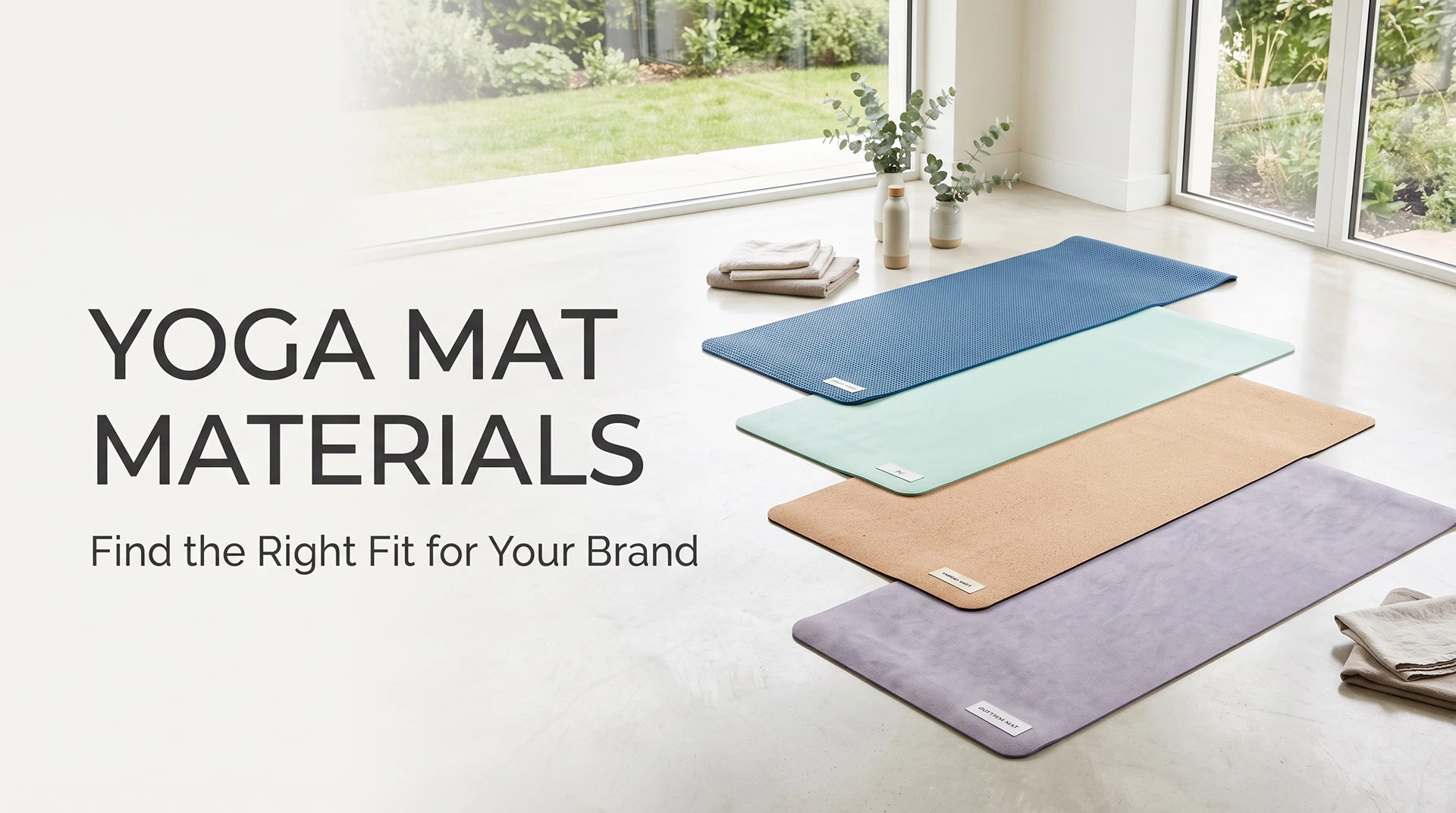
Choosing the right yoga mat material is about more than grip or thickness. For a yoga, Pilates, fitness, or wellness brand, the material can influence the entire product experience—from how the mat feels during practice to how the collection looks, feels, and fits into the brand's positioning.
Natural rubber, PU, cork, and suede each offer a different combination of grip, texture, appearance, and user experience. Instead of looking for one material that works for every customer, many brands are now building collections around different practice needs and product identities.
For brands developing wholesale yoga mats, working with an experienced yoga mat manufacturer can also make it easier to explore different materials, thicknesses, colors, surface finishes, and private-label options.
At Junex Sport, we work with brands looking to develop yoga and fitness products that fit their market, product positioning, and collection strategy. Here is a practical look at four popular yoga mat materials and how they can fit different brand directions.
1. Natural Rubber Yoga Mats
Natural rubber is one of the most widely used materials for yoga mats, particularly for brands that want to combine reliable performance with a more natural product image.
Strong Grip for Everyday Practice
Natural rubber provides a naturally grippy base, making it suitable for a wide range of yoga practices. It can offer a stable foundation during standing poses, transitions, and floor-based movements.
For brands with customers practicing regular yoga, Pilates, stretching, or general fitness, natural rubber can work as a versatile core material within a collection.
Balanced Cushioning
Depending on the construction and thickness, natural rubber mats can provide a comfortable balance between stability and cushioning.
A thinner mat can offer a closer connection to the floor, while a thicker construction can provide additional comfort for users who spend more time kneeling or performing floor exercises.
A More Eco-Oriented Product Direction
Natural rubber is also commonly associated with natural and eco-conscious product positioning.
For wellness brands, yoga studios, and lifestyle-oriented businesses, this material can fit naturally into collections that emphasize simplicity, natural materials, and mindful living.
Rather than making the material the only selling point, brands can combine natural rubber with thoughtful colors, minimal graphics, and clean packaging to create a cohesive product identity.
2. PU + Natural Rubber Mats
PU combined with a natural rubber base creates a different type of yoga mat experience. This combination is particularly interesting for brands targeting users who prioritize grip and performance.
Strong Surface Grip
One of the key characteristics of PU yoga mats is their smooth, highly grippy surface.
When the surface comes into contact with moisture, the grip can become particularly useful for practices where users sweat more. This makes PU + natural rubber mats a potential choice for hot yoga, dynamic yoga, and higher-intensity fitness sessions.
Suitable for Sweat-Oriented Practices
For users who tend to sweat heavily during practice, surface grip can become one of the most important product considerations.
A PU surface can help create a secure feeling during hand and foot placement, particularly during transitions and longer sessions.
This gives brands an opportunity to position PU + natural rubber mats as a more performance-focused product within their collection.
A Premium Product Direction
The smooth surface and clean appearance of PU can also support a more premium visual identity.
Brands targeting premium yoga studios, boutique fitness concepts, or higher-end wellness customers may use PU mats as a higher-level product alongside their everyday mat collection.
Instead of replacing natural rubber products, PU + natural rubber can be positioned as a performance-focused or premium option.
3. Cork + Natural Rubber Mats
Cork yoga mats offer a noticeably different visual and tactile experience. With their natural texture and warm appearance, they can bring a lifestyle-oriented character to a yoga collection.
Natural Texture
Cork has a distinctive surface appearance that immediately separates it from conventional rubber or PU mats.
The natural grain and subtle variations in the material can give each product a more organic look. This can work particularly well for brands that prefer neutral colors, earthy palettes, and natural design elements.
A Different Product Experience
Cork can feel relatively dry and natural under normal conditions, while its grip characteristics can change depending on moisture and practice intensity.
This makes cork interesting for brands that want to offer something different from a traditional performance mat.
Lifestyle Positioning
Cork mats can fit naturally into yoga, wellness, outdoor, and lifestyle collections.
For example, a brand focused on natural living might combine cork mats with earth-tone apparel, reusable accessories, yoga towels, and other wellness products.
From a collection perspective, cork can therefore serve a role beyond simply being another material—it can help create a recognizable visual direction for the brand.
4. Suede + Natural Rubber Mats
Suede yoga mats offer another distinctive alternative, especially for brands looking for a softer surface and a more visually differentiated product.
A Soft Surface Feel
Compared with traditional rubber or PU surfaces, suede provides a softer and more textile-like touch.
This can create a different experience during slower yoga, stretching, meditation, and floor-based practices.
Distinctive Appearance
Suede surfaces can also provide a unique visual finish. Depending on the design and color, they can create a soft, sophisticated, or lifestyle-oriented appearance.
For brands that pay close attention to product photography and collection aesthetics, this type of surface can help create a different visual identity from standard yoga mats.
A Different Practice Experience
The grip characteristics of suede can vary from those of PU or natural rubber, particularly depending on the environment and moisture level.
For brands considering suede mats, it is useful to think about the intended practice environment rather than treating the material as a universal solution.
For example, suede may work well as part of a lifestyle or slower-practice collection, while a PU mat may be more appropriate for customers specifically looking for strong grip during high-sweat sessions.
5. How to Match Materials with Brand Positioning
There is no single yoga mat material that fits every brand.
The better approach is to consider how each material supports the customer experience and overall product identity.
| Material | Main Characteristics | Potential Brand Direction |
| Natural Rubber | Stable grip, cushioning, natural material image | Everyday yoga, wellness, eco-oriented |
| PU + Natural Rubber | Strong grip, smooth surface, performance feel | Premium yoga, hot yoga, fitness |
| Cork + Natural Rubber | Natural texture, distinctive appearance | Lifestyle, wellness, natural collections |
| Suede + Natural Rubber | Soft surface, unique appearance | Lifestyle, gentle practice, premium collections |
This comparison does not mean that one material belongs exclusively to one category. A brand can use the same material in different ways depending on thickness, color, surface design, printing, packaging, and target market.
For a yoga mat supplier, understanding these differences is important because product development often involves more than selecting a material from a catalog. Brands may need to consider dimensions, thickness, surface treatment, color matching, printing, logo application, packaging, and order requirements at the same time.
6. Building a Multi-Material Yoga Mat Collection
Instead of choosing only one material, brands can consider developing a multi-material yoga mat collection.
This approach can make the product range more flexible while allowing different products to serve different customer needs.
For example:
Core Collection
Natural rubber mats can act as the everyday foundation of the collection.
They can be offered in several essential colors and thickness options, making them suitable for a broad customer base.
Performance Collection
PU + natural rubber mats can be introduced as a performance-oriented option.
This range can focus on strong grip, dynamic practices, hot yoga, and customers looking for a more premium surface experience.
Natural Lifestyle Collection
Cork + natural rubber mats can create a natural and lifestyle-focused category.
Earth tones, simple graphics, and natural-inspired packaging can reinforce the overall concept.
Signature Collection
Suede + natural rubber mats can be used as a more distinctive product within the collection.
Unique colors, patterns, or surface designs can help create a signature product that stands apart from standard yoga mats.
This type of product structure allows a brand to build a collection with clear differences without making every product completely unrelated.
7. What to Consider When Developing Your Yoga Mat Collection
Material is only one part of the product development process.
Before selecting a final yoga mat, brands may also want to consider:
Target Customer
Who will use the mat? Yoga practitioners, Pilates users, fitness customers, yoga studios, or lifestyle consumers may have different expectations.
Practice Type
Slow yoga, everyday yoga, hot yoga, Pilates, stretching, and fitness training can require different combinations of grip, cushioning, and surface feel.
Product Positioning
An entry-level everyday mat may require a different material and construction from a premium signature product.
Visual Identity
Color, surface texture, printing, patterns, and packaging should work together with the brand's existing product range.
Collection Structure
A strong collection does not necessarily need many materials. A carefully selected combination of two or three materials can sometimes create clearer product differentiation.
Customization Requirements
For brands developing Private Label Yoga Mats, details such as logo printing, packaging, labels, colors, patterns, and product specifications can be considered as part of the overall development process.
8. Developing Yoga Mats with Junex Sport
For brands building a yoga, Pilates, fitness, or wellness collection, choosing the right material is often the beginning rather than the end of product development.
At Junex Sport, we support brands looking at different yoga mat materials and product directions, from everyday natural rubber mats to PU, cork, and suede-based options.
Depending on the collection strategy, brands can explore different materials, thicknesses, colors, surface designs, logo applications, and packaging solutions.
For businesses looking for Custom Yoga Mats, this also creates more flexibility to develop products that are visually and functionally aligned with their own brand rather than simply selecting a standard product.
A well-planned yoga mat collection can combine practical performance with a clear product identity. Natural rubber, PU, cork, and suede each have their own characteristics, and the right combination depends on your target customers, practice scenarios, price positioning, and overall brand direction.
Junex Sport provides yoga and fitness product development support for brands looking to build differentiated collections and long-term product lines.
Whether you are developing a first yoga mat collection or expanding an existing range, selecting materials based on your brand strategy can help create a more consistent and recognizable product portfolio.