


How to Choose the Right Yoga Wear Collection for Your Brand
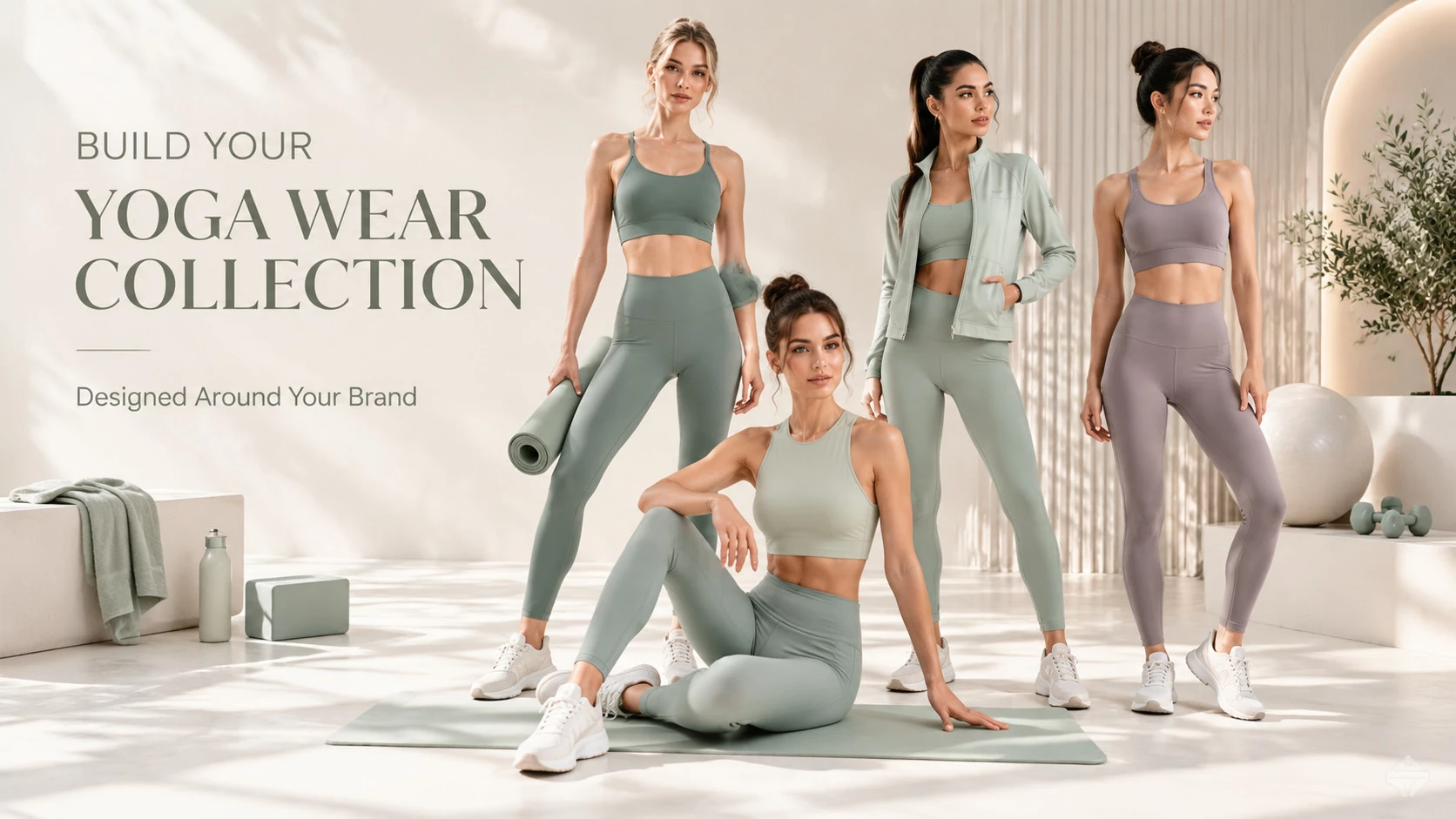
Building a yoga wear collection is about more than choosing a few leggings, sports bras, and tops. For a growing activewear brand, the right collection should reflect your brand identity, target customers, price positioning, and the way your customers actually move and live.
A collection designed for a yoga-focused brand may look very different from one created for a Pilates studio, fitness label, or athleisure brand. The goal is not necessarily to offer more products, but to create a balanced collection where each product has a clear purpose.
At Junex Sport, we work with brands looking to develop yoga and activewear collections with flexible OEM and ODM support. From fabric selection and product development to custom colors, labels, packaging, and production, a well-planned collection can make it easier for a brand to build a consistent product identity.
1. Start with Your Target Customer
Before selecting products, think about who you want your collection to serve.
Different customers have different expectations for fit, performance, styling, and price. Understanding your target customer can help you decide which products should become your core collection and which should be introduced as seasonal or premium pieces.
Yoga Practitioners
For yoga-focused customers, comfort, flexibility, softness, and freedom of movement are usually important.
Core products may include:
-
High-waisted leggings
-
Yoga bras
-
Fitted tops
-
Shorts
-
Lightweight jackets
-
Matching sets
For more dynamic practices, customers may also look for breathable and moisture-managing fabrics that can handle heat and movement.
Pilates Users
Pilates customers may place more emphasis on soft-touch fabrics, clean silhouettes, body-conscious fits, and elegant styling.
A Pilates-oriented collection could focus on:
-
Sculpting leggings
-
Fitted tops
-
Long-sleeve tops
-
Unitards or bodysuits
-
Matching sets
-
Lightweight layers
The collection can feel more refined and lifestyle-oriented while still providing the stretch needed for movement.
Gym & Fitness Customers
Fitness customers may need a broader range of performance features.
Depending on the training environment, a collection might include:
-
Medium- or high-support sports bras
-
Performance leggings
-
Training shorts
-
Tank tops
-
Functional T-shirts
-
Lightweight jackets
For higher-intensity activities, moisture management, breathability, stretch, and secure fit become increasingly important.
Athleisure Consumers
Not every customer buys activewear exclusively for workouts.
Athleisure consumers may wear leggings, jackets, tops, and matching sets for commuting, travel, shopping, coffee runs, or everyday activities. This makes versatility, styling, color coordination, and comfort important parts of the product strategy.
For these customers, your collection can combine performance fabrics with more lifestyle-oriented silhouettes.
2. Build a Balanced Yoga Wear Collection
Once you understand your target customer, the next step is deciding what products should make up your collection.
A common mistake is adding too many similar styles. Ten different leggings may create the appearance of a large catalog, but they do not necessarily create a complete collection.
Instead, think about how different products work together.
Sports Bras
Sports bras can become one of the foundation products of a yoga or activewear collection.
Consider developing different silhouettes according to support level and styling:
-
Minimal-support yoga bras
-
Medium-support sports bras
-
Cross-back designs
-
Racerback styles
-
Longline bras
-
Removable-pad designs
The important point is to match the bra design with the activity level and customer expectations.
Leggings
Leggings are often one of the key products in a yoga wear collection.
Rather than offering only one basic style, brands can develop several variations:
-
High-waisted leggings
-
7/8 leggings
-
Full-length leggings
-
Flared leggings
-
Seamless leggings
-
Pocket leggings
-
Sculpting leggings
Fabric, waistband construction, opacity, stretch, and recovery can all affect the final product experience.
Tops
Tops provide an opportunity to create more variety without changing the overall brand direction.
Potential styles include:
-
Yoga tanks
-
Cropped tops
-
Fitted T-shirts
-
Long-sleeve tops
-
Back-detail tops
-
Built-in-bra tops
For yoga products, a secure and comfortable fit can be especially useful because customers move through bending, stretching, and inverted positions.
Shorts
Shorts can expand a collection into warmer climates, summer seasons, and higher-intensity workouts.
Possible options include:
-
High-waisted shorts
-
Biker shorts
-
Training shorts
-
Double-layer shorts
-
Running-inspired shorts
Jackets
Jackets are useful for creating a complete outfit rather than selling individual workout pieces.
Depending on the brand, consider:
-
Lightweight zip-up jackets
-
Cropped jackets
-
Hooded jackets
-
Full-zip active jackets
-
Oversized lifestyle layers
-
Soft training jackets
They can also help connect the activewear collection with everyday lifestyle wear.
Bodysuits
Bodysuits can give a collection a more fashion-forward or premium direction.
They work particularly well for brands combining yoga, Pilates, studio training, and athleisure.
Matching Sets
Matching sets can bring the entire collection together visually.
A coordinated sports bra and leggings, or top and shorts combination, can make product photography and merchandising more consistent while giving customers an easy outfit solution.
3. Consider Fabric and Performance
Product design is only one part of a successful yoga wear collection. Fabric selection can significantly influence how a garment feels and performs.
For activewear, important factors include:
Stretch
Yoga and Pilates involve continuous bending, stretching, twisting, and changing positions.
Four-way stretch fabrics are commonly used in activewear because they can provide freedom of movement while maintaining a close-to-body fit.
Breathability
Breathability becomes especially important for customers who practice in warm environments or participate in higher-intensity workouts.
Fabric construction, fabric weight, and ventilation details can all influence breathability.
Moisture Management
Sweat management can affect comfort during training.
Nylon and polyester-based performance fabrics are commonly used in activewear because they can provide moisture-wicking and quick-drying properties, although actual performance varies depending on the fabric construction and blend.
Softness
Softness is particularly important for yoga, Pilates, lounge-inspired activewear, and products designed for extended wear.
A fabric can have strong performance characteristics while still needing to feel comfortable against the skin.
Shape Retention
A fabric may feel stretchy when first worn, but a good activewear product also needs appropriate recovery after repeated movement and wear.
For products such as leggings, sports bras, and fitted tops, stretch and recovery should therefore be considered together.
The right fabric is ultimately the one that matches the product's intended use, customer expectations, and price positioning.
4. Create Different Product Levels
A complete collection does not have to mean putting every product at the same price level.
Creating different product levels can give your brand more flexibility when reaching different customers.
Essential Basics
These are the everyday products customers can easily understand and purchase repeatedly.
Examples include:
-
Basic leggings
-
Classic sports bras
-
Simple tanks
-
Essential shorts
-
Neutral-colored matching sets
These products can form the foundation of your collection.
Seasonal Collections
Seasonal products give the brand opportunities to introduce new colors, fabrics, prints, and silhouettes.
For example:
Spring/Summer
-
Lightweight tops
-
Shorts
-
Light-colored sets
-
Breathable fabrics
Fall/Winter
-
Long-sleeve tops
-
Jackets
-
Layering pieces
-
Deeper seasonal colors
Premium Styles
Premium products can introduce more advanced fabrics, construction details, unique silhouettes, or more sophisticated styling.
These products can help create a stronger visual identity for the collection.
Signature Products
Every brand can benefit from having several products that customers immediately associate with the brand.
This could be:
-
A distinctive legging silhouette
-
A recognizable sports bra
-
A signature color
-
A unique back design
-
A special fabric
-
A recognizable matching set
Instead of trying to make every product unique, focus on creating a few products that clearly represent the brand.
5. Use OEM/ODM to Develop a More Consistent Collection
Once you have decided what your collection should look like, working with an experienced yoga wear manufacturer or yoga clothing supplier can make product development more flexible.
OEM and ODM services can support different stages of collection development.
Custom Colors
Your brand may already have a specific color palette.
Instead of choosing colors randomly across different products, custom color development can help create a more consistent collection.
For example, one seasonal color palette can be applied across:
-
Leggings
-
Sports bras
-
Tops
-
Shorts
-
Jackets
-
Accessories
Logo Customization
Brand identity can be incorporated through different techniques, depending on the garment and design.
Options may include:
-
Heat-transfer logos
-
Silicone logos
-
Embroidery
-
Printed logos
-
Woven labels
Labels
Custom labels can make private-label yoga wear feel more consistent with your overall brand.
This may include:
-
Main brand labels
-
Size labels
-
Care labels
-
Hang tags
Packaging
Packaging can also become part of the customer experience.
Depending on your positioning, options can include custom bags, branded packaging, product cards, stickers, and other presentation elements.
Custom Styles
For brands looking for a more differentiated collection, ODM development can be used to modify existing styles or develop new designs.
This may involve changes to:
-
Silhouette
-
Fabric
-
Color
-
Waistband
-
Seam construction
-
Straps
-
Pockets
-
Logo placement
-
Functional details
The objective is not simply to make a product look different. It is to make the product fit your brand's customers and overall collection strategy.
6. Think About the Collection as a Whole
When developing a new collection, it is easy to evaluate products individually.
Instead, look at the collection from a customer's perspective.
Ask yourself:
Can these products be mixed and matched?
A sports bra should work with several bottoms. A jacket should complement multiple outfits. Seasonal colors should still work with your core colors.
Does the collection have a clear visual identity?
Customers should be able to recognize the brand through silhouettes, colors, details, and styling.
Does the price structure make sense?
Your essential products, seasonal products, and premium styles should have clear differences in value and positioning.
Does the collection match the customer's lifestyle?
If your customer practices yoga twice a week but also wears activewear for travel and everyday activities, your collection should reflect that broader lifestyle.
7. How Junex Sport Supports Yoga Wear Collection Development
At Junex Sport, we understand that developing a yoga wear collection is not simply about selecting products from a catalog.
Different brands may need different combinations of product development, customization, materials, colors, branding, and packaging.
Our OEM/ODM approach can support brands throughout the collection development process, including:
-
Product selection and development
-
Fabric and color customization
-
Custom logo application
-
Private label solutions
-
Custom labels and hang tags
-
Packaging customization
-
Sample development
-
Collection-based product matching
-
Production support for different order requirements
For brands looking for private label yoga wear, the focus can be on creating a collection that feels consistent from the first product to the final product.
Whether the goal is to build a yoga-focused collection, expand an existing activewear line, or combine yoga, Pilates, fitness, and lifestyle products, the collection should always start with the brand and its customers.
Conclusion: Build a Collection, Not Just a Catalog
Choosing the right yoga wear collection is not about adding as many products as possible.
A stronger collection usually comes from understanding:
Who your customers are → What they need → Which products solve those needs → Which fabrics support those products → How the products work together → How the collection represents your brand.
A balanced product range can make your website easier to navigate, your product photography more consistent, and your brand easier for customers to understand.
Whether you are launching a new yoga brand or expanding an existing activewear business, working with the right yoga wear manufacturer and yoga clothing supplier can give you more flexibility when developing products and building a long-term collection.
At Junex Sport, we focus on helping brands turn product ideas into coordinated yoga and activewear collections through flexible OEM/ODM development and private-label support.
A strong collection is not simply bigger. It is better connected, more purposeful, and more aligned with the brand behind it.